

What If Your First Investment Didn’t Have to Be a House?
Picture this: you’re 24, phone in hand, scrolling Zillow at midnight, every starter home nearby is pushing $300,000 or more. The down payment alone feels out of reach.
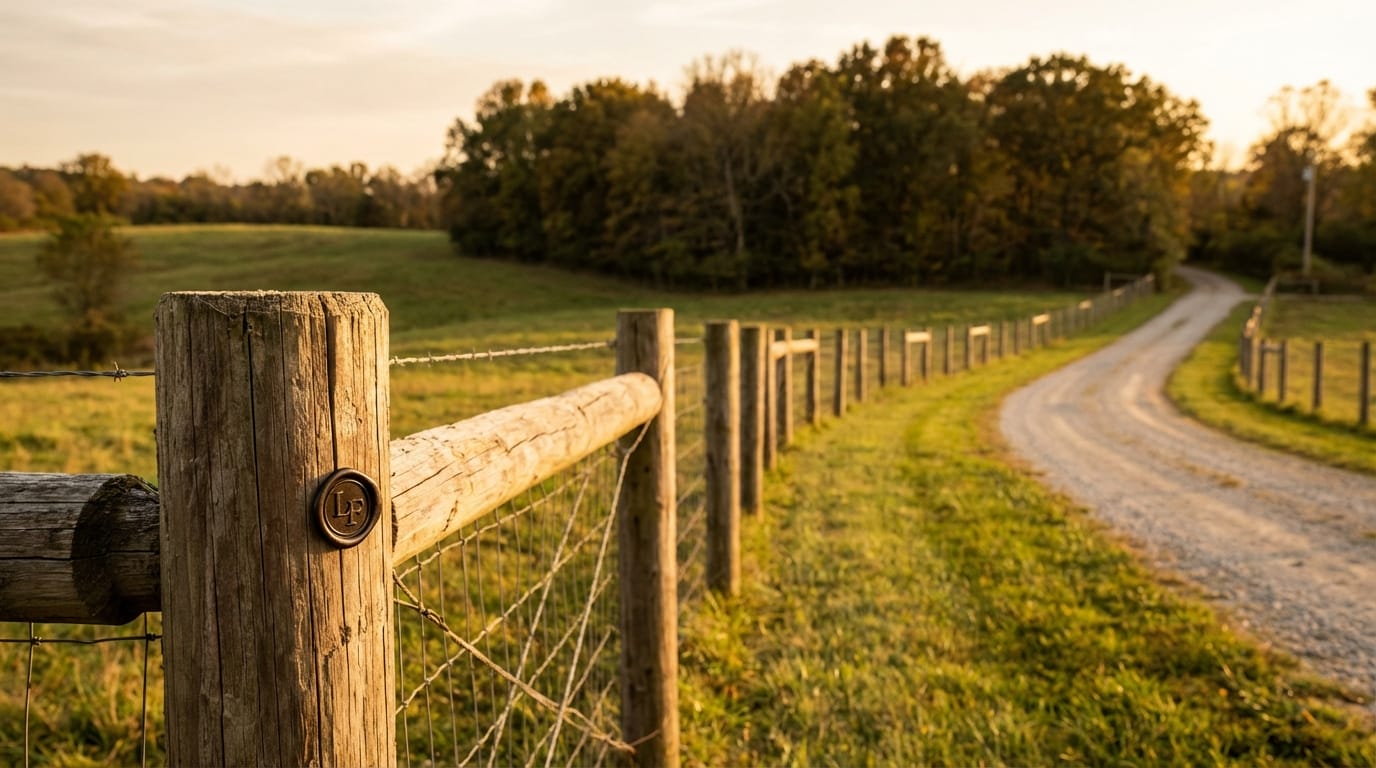

If that scene sounds familiar, you’re not alone. A growing number of younger buyers feel locked out of traditional homeownership. But the real estate landscape has more options than just the resale housing market.
A quiet but growing group of first-time investors is bypassing houses and turning to something older, simpler, and often more accessible: affordable vacant land for beginners. No bidding wars, no inspection nightmares, and often much lower upfront cash required – just a parcel of land you can own outright or through alternative financing.
This article is an introduction to that path, what it can (and can’t) do for you, how owner financing works in practice, and the practical due diligence you should perform before buying.
Myth vs. Fact: What Most People Get Wrong About Buying Land
Before we go further, let’s separate common myths from realities. Below are three frequent misconceptions and a more accurate view of each.
| ❌ The Myth | ✅ The Fact |
|---|---|
| “Land does nothing for you.” | Vacant land can appreciate and be used to generate income, leasing for agriculture or hunting, agritourism, or future development, depending on location, zoning, and market demand. It’s not guaranteed income, but a working asset in many cases. |
| “You need perfect credit to buy property.” | Some seller (owner) financing arrangements do not require a traditional lender’s credit check. Terms vary by seller, LandFix offers owner financing options where the seller serves as the lender, but buyers should always review the contract, including default remedies and balloon payments. |
| “Vacant land is only for rich developers.” | Many rural and semi-rural parcels sell for a fraction of a home price. Affordable entry points exist, but suitability for your goals depends on location, zoning, access, and whether you plan to build or hold. |
These clarifications are important because they change how you evaluate land as an initial investment. Land investing can be highly accessible, but like any investment, it requires research and realistic expectations.
The Numbers Don’t Lie: Why Younger Buyers Are Choosing Land Right Now
This trend isn’t just anecdotal. Younger buyers are responding to affordability pressures in the housing market.
For example, the Pew Research Center documents declining housing affordability in recent years. At the same time, many first-time buyers lack the down payment, credit history, or stable income documentation lenders typically require.
Owner-financed land deals can alter that equation: down payments are often lower, monthly payments can fit modest budgets, and approval may not involve a bank. That said, terms vary widely between sellers, and some owner-financing arrangements include higher interest rates, shorter terms, or balloon payments—so read contracts carefully.
“This isn’t doom and gloom…it’s a generation finding a smarter door. When one market prices you out, you find another market. That’s strategy, not failure.”
These buyers are adapting rather than settling. The question of why buy vacant land instead of a house has a variety of reasonable answers, financial flexibility, lower entry cost, and optionality among them, but it should be considered alongside personal housing needs and timelines.
How Owner Financing Makes Land Investing Actually Accessible
Owner financing (also called seller financing) is the mechanism that can make buying land possible without a bank. In simple terms: instead of getting a mortgage from a bank, you make payments directly to the seller, who holds a deed or lien until the purchase price is paid.
Key features to understand:
- No bank underwriter—approval is negotiated between buyer and seller, so credit requirements can be flexible. But individual sellers set their own terms.
- Down payments vary. Some listings advertise very low down payments, but ranges differ by property and seller—verify the exact requirement on each listing.
- Contracts may include interest, fixed monthly payments, and sometimes a balloon payment at the end of the term. Make sure you understand the full payment schedule and what happens in default.
At LandFix, the stated process is: find a parcel, customize your terms directly on the website, make a down payment and pay the first fixed monthly payment, and continue until the land is paid off. That model can work well for buyers with thin or no credit histories, but it is not a substitute for professional advice—review promissory notes with an attorney or qualified advisor when possible.
This approach can be practical: imagine a parcel with a low down payment and monthly payments that fit your budget. You receive an enforceable installment contract, not a lease. But remember: owner financing is a legal and financial agreement, so read it carefully and ask about fees, late-payment penalties, and the title transfer process.
Learn about financing options and see possible terms, remembering that specifics vary by property and seller.
The emotional relief some buyers report, no bank rejection letter, less waiting, can be meaningful. Still, avoid framing owner financing as risk-free: understand repossession risk, secured lending mechanics, and the local legal framework that affects seller-financed transactions.
Why Vacant Land Fits the Way This Generation Thinks
Beyond dollars, there are cultural and lifestyle reasons many younger buyers are attracted to land ownership. These motivations often line up with the virtues of rural parcels.
Sustainability Matters
Owning land feels tangible and allows stewardship, planting, conservation, or regenerative projects. If environmental impact matters, land offers hands-on opportunities that many urban investments do not.
Entrepreneurial Flexibility Is Built In
A rural parcel can become a tiny-home site, a glamping rental, a homestead, or a long-term investment. That optionality appeals to buyers who want to experiment or build a small business without the constraints that come with some residences or HOA rules.
Lower Payments Mean Less Financial Stress
Lower monthly carrying costs can align with minimalist or anti-debt lifestyles, and faster payoffs are sometimes realistic. But property taxes, insurance (if desired), and occasional parcel maintenance should be part of your budget.
These Buyers Have Done Their Homework
Many first-time buyers spend weeks or months researching, watching videos, reading forums, and scrutinizing listings—before contacting sellers. They arrive informed and deserve clear, accurate information from sellers and brokers.
The stereotype that younger buyers are frivolous is unfair. Choosing cheap rural land investment as a starting point can be a deliberate and pragmatic step, provided buyers do the research and understand trade-offs.
Vacant Land vs. Buying a House: A Real-World Comparison for First-Timers
Here’s a practical, side-by-side look for someone with limited capital and no prior real estate experience.
- ✅ Upfront costs: Land often requires much less cash up front. Owner-financed parcels sometimes advertise a few hundred to a few thousand dollars down, but check each listing for exact terms.
- ✅ Credit requirements: Owner financing can be more flexible than conventional mortgages. Still, seller policies vary, don’t assume “no credit check” applies universally.
- ✅ Monthly carrying costs: Land typically has lower carrying costs, no mortgage insurance, often lower taxes, and no utilities if undeveloped, but factor in property taxes, insurance, and any maintenance or security costs.
- ✅ Maintenance obligations: Without structures, there’s less routine upkeep. However, you may still be responsible for property upkeep, fence repairs, and complying with local regulations.
- ✅ Flexibility: Land can be held, developed, leased, or sold. It’s versatile, but the timeline for returns can be long in some markets.
- ⚠️ If you need a place to live immediately: A house wins. Land is not an instant housing solution unless utilities and permits are already in place and local codes allow immediate occupancy.
For a buyer focused on building equity and starting a portfolio, land often performs well at the entry level on many metrics, but it isn’t the right move for everyone. Align your purchase with your goals and timeline.
Real Stories: First-Time Buyers Who Chose Land Over a House
Illustrative examples can help, but remember results vary by location, market conditions, and how each buyer used their parcel. These are representative stories, not guarantees.
Marcus, 26, Freelance Graphic Designer
Marcus was tired of renting with nothing to show for it. He purchased a 2-acre lot via owner financing with a low down payment and now pays less per month than his streaming subscriptions and gym membership combined. He plans to place a tiny home in a few years.
Takeaway: A modest initial purchase can start equity-building, but timelines and outcomes vary.
Priya and Daniel, Early 30s, Both Teachers
This couple bought a rural parcel and launched a small glamping setup with two bell tents. In their market, revenue helped cover costs within a season, though setup and local permitting required effort.
Takeaway: Land can generate income when matched to the right use case, but success depends on execution and local demand.
Aaliyah, 22, Recent College Graduate
Aaliyah had limited credit history and used owner financing to begin building a payment record. Making on-time payments helped her establish a financial history, which assisted with later financial goals.
Takeaway: Owner financing can be a tool to build payment history, but check how those payments are reported and consult a financial advisor if unsure.
Ready to Explore Affordable Land Options?
You may not need perfect credit or a huge down payment to start, many buyers begin with a small parcel and a plan. LandFix offers owner-financing options that may fit different budgets and timelines.
If you’re curious, see available parcels and review the listed terms. Consider getting independent legal or financial advice if you have questions about contracts or title transfer.
5 Beginner Tips for Buying Rural Land the Smart Way
1. Research Zoning and Land Use Restrictions Before You Fall in Love With a Parcel
Zoning affects what you can legally do. A parcel zoned agricultural may restrict structures; rural residential zoning may allow more flexibility. Confirm zoning with the county clerk or planning department and ask for written confirmation when possible.
2. Understand Road Access and Easements
A parcel that looks perfect on a map might be landlocked. Ask whether the property has deeded access or a recorded easement, then verify it with the county recorder or a title search before signing.
3. Check for Utilities or Confirm Off-Grid Feasibility
Many rural parcels lack nearby utilities. If utilities aren’t available, research whether solar power, wells, and septic systems are permitted and practical for your intended use. Confirm costs and permitting requirements in advance.
4. Think About Your 3-to-5-Year Plan Before You Buy
Are you buying to hold for appreciation, to build, or to generate income? A clear (even flexible) plan helps you choose the right parcel and avoid buyer’s remorse. Consider resale prospects and access to local markets.
5. Understand Your Owner Financing Agreement Fully Before Signing
Know the interest rate, monthly payment, length of term, any balloon payment, late fees, and what happens in the event of default. Ask whether payments are reported to credit bureaus if building credit is a goal. When in doubt, consult a real estate attorney.
See how the process works at LandFix so you know what to expect on specific listings.
If any of these areas raise questions, reach out. LandFix’s team may be able to answer property-specific details, but consider independent professional advice for legal, tax, or financing questions.
Frequently Asked Questions About Buying Vacant Land as a First-Time Investor
Your First Investment Doesn’t Have to Wait, Explore Land Options Today
If the Zillow scroll leaves you discouraged, remember there are alternative paths to property ownership. LandFix lists owner-financed parcels and provides information on terms and processes.
You’ve done the reading, now consider comparing listings, asking targeted questions, and seeking independent advice where appropriate.